_kdi real logo.svg)







DESCRIPTION
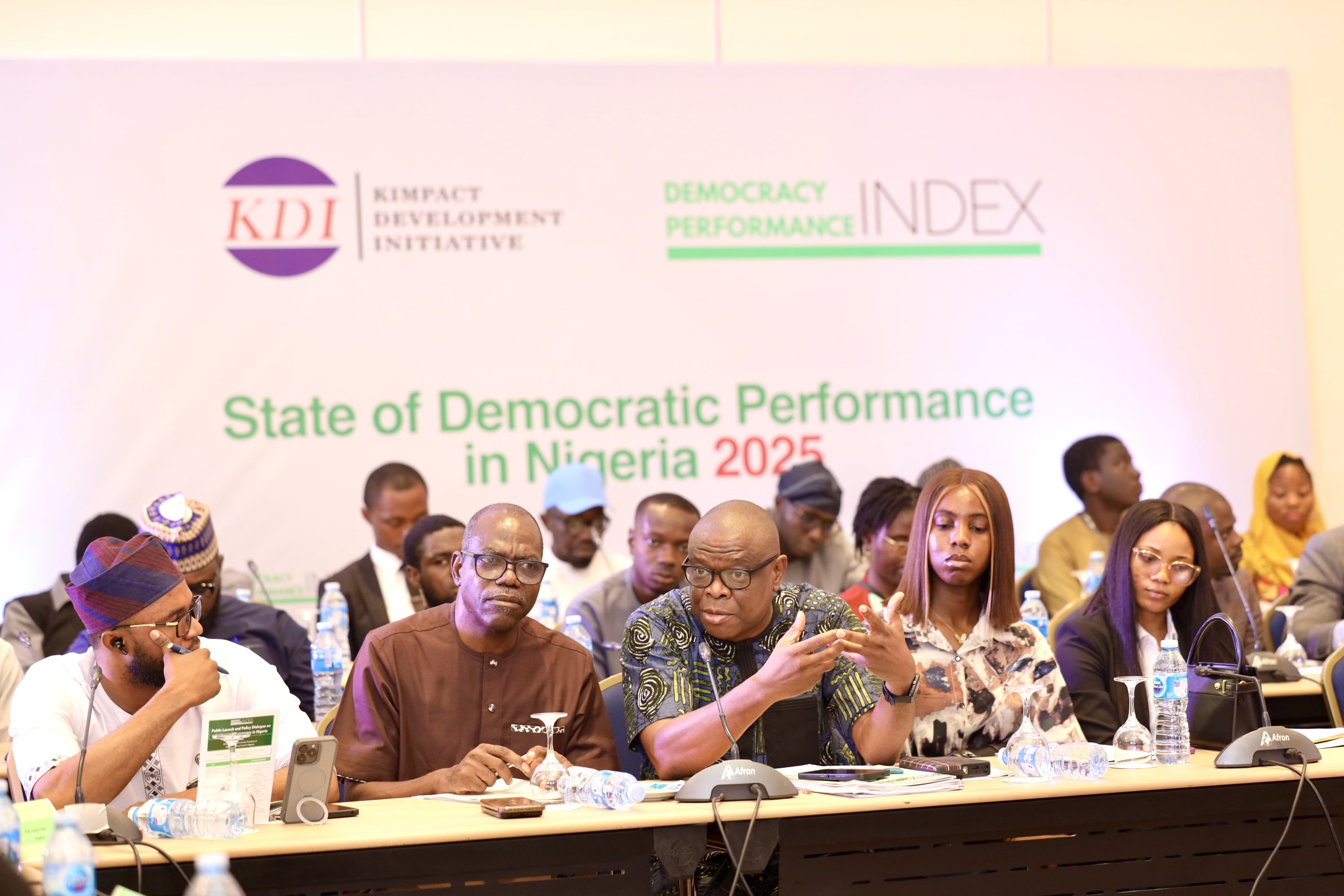
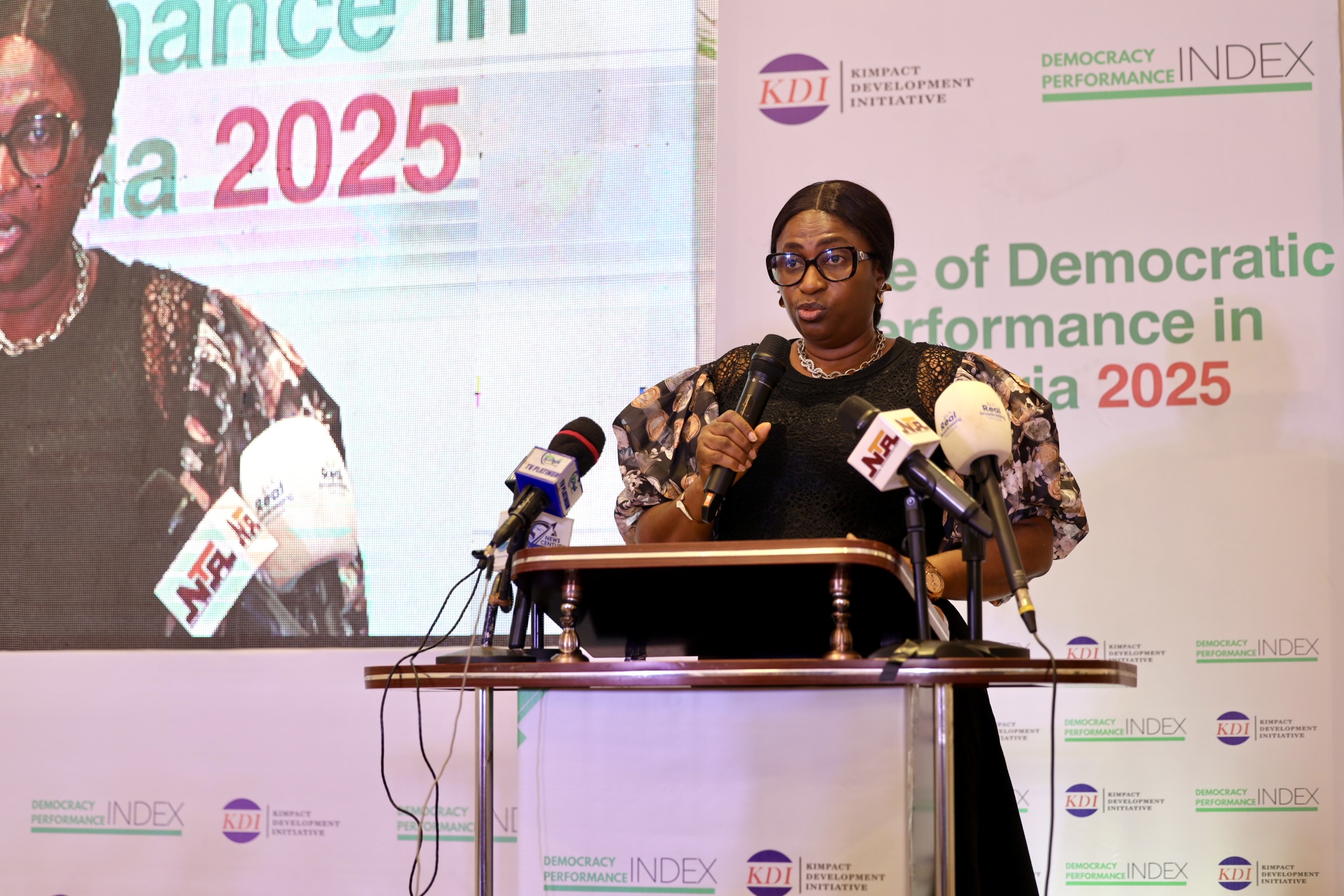
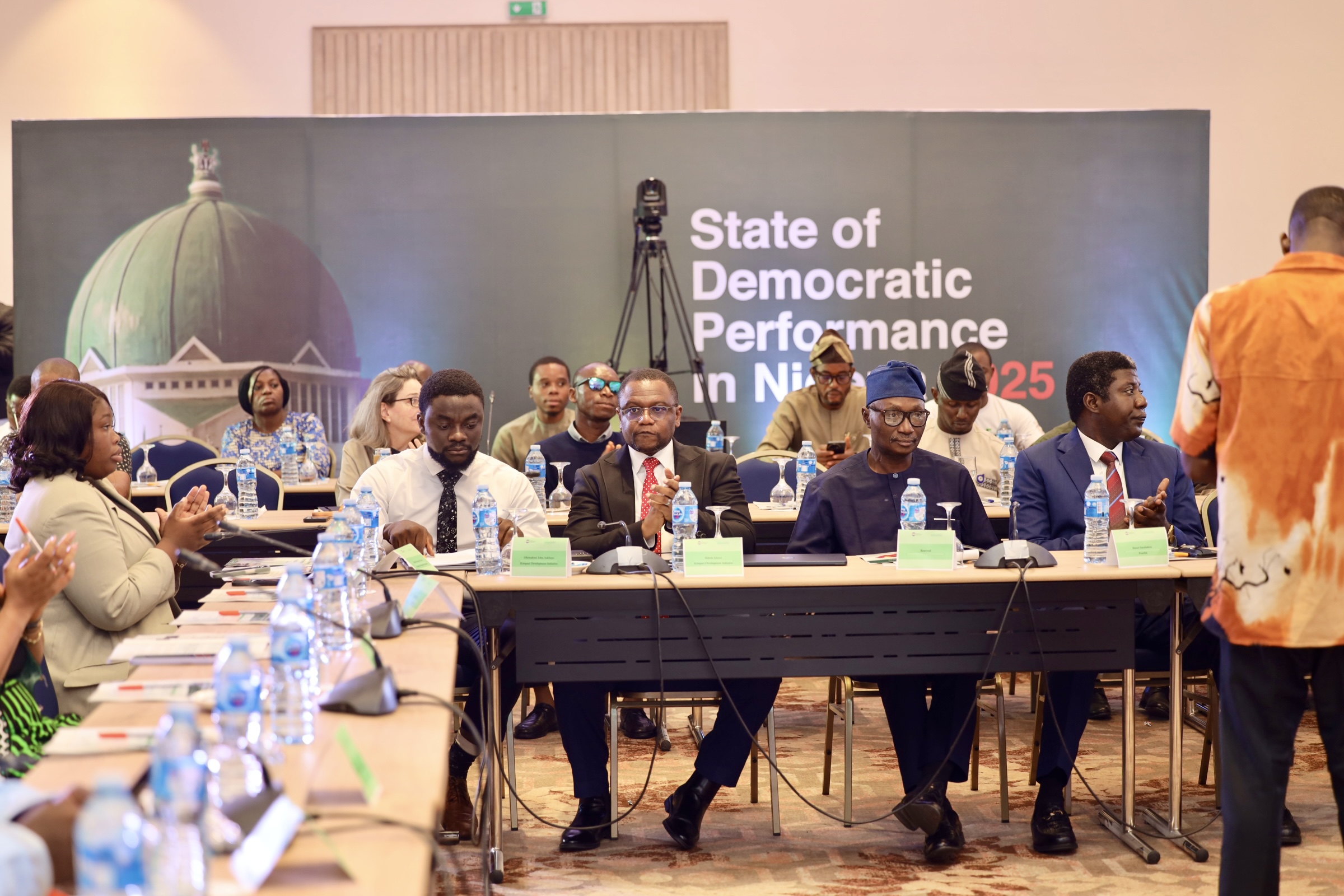
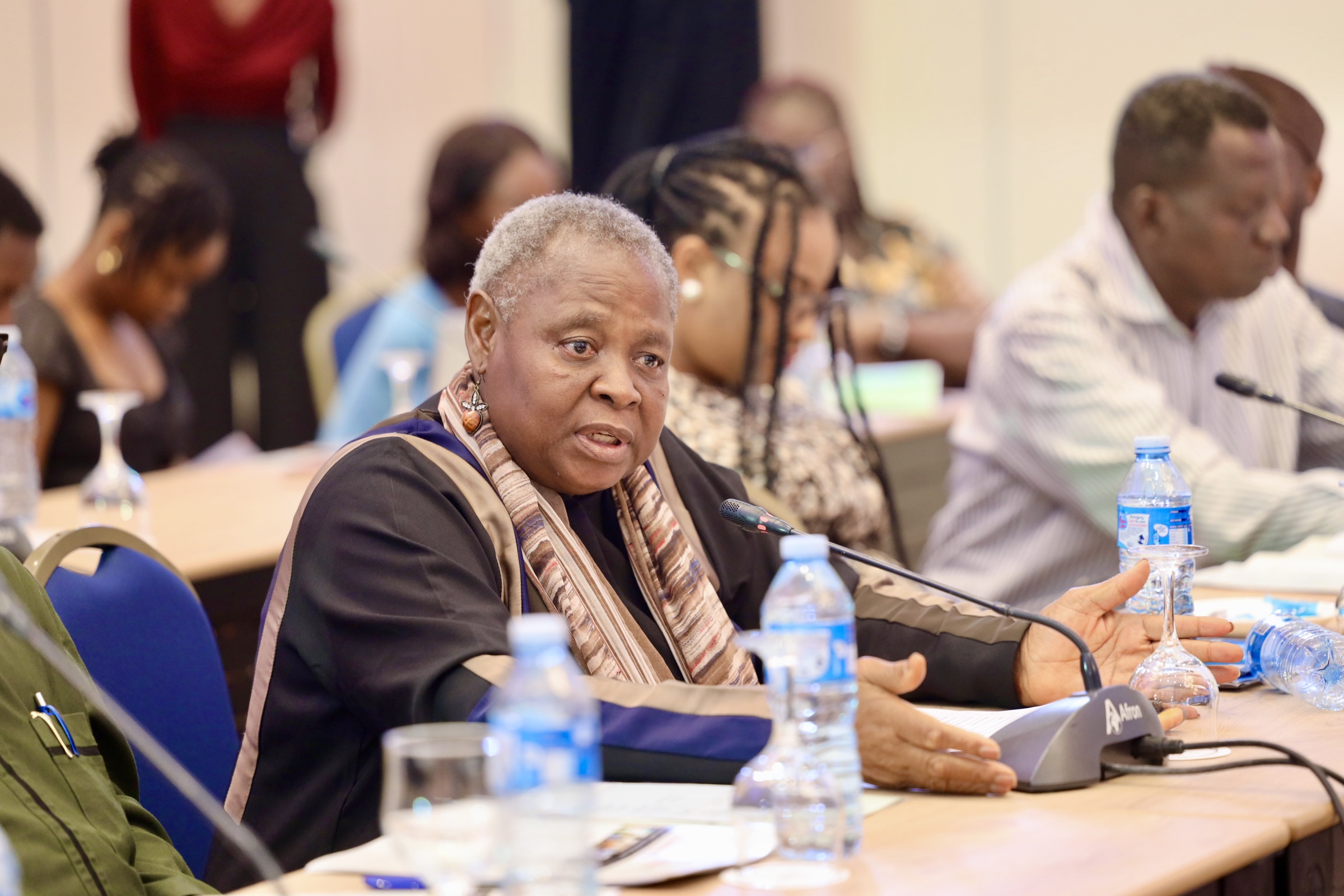
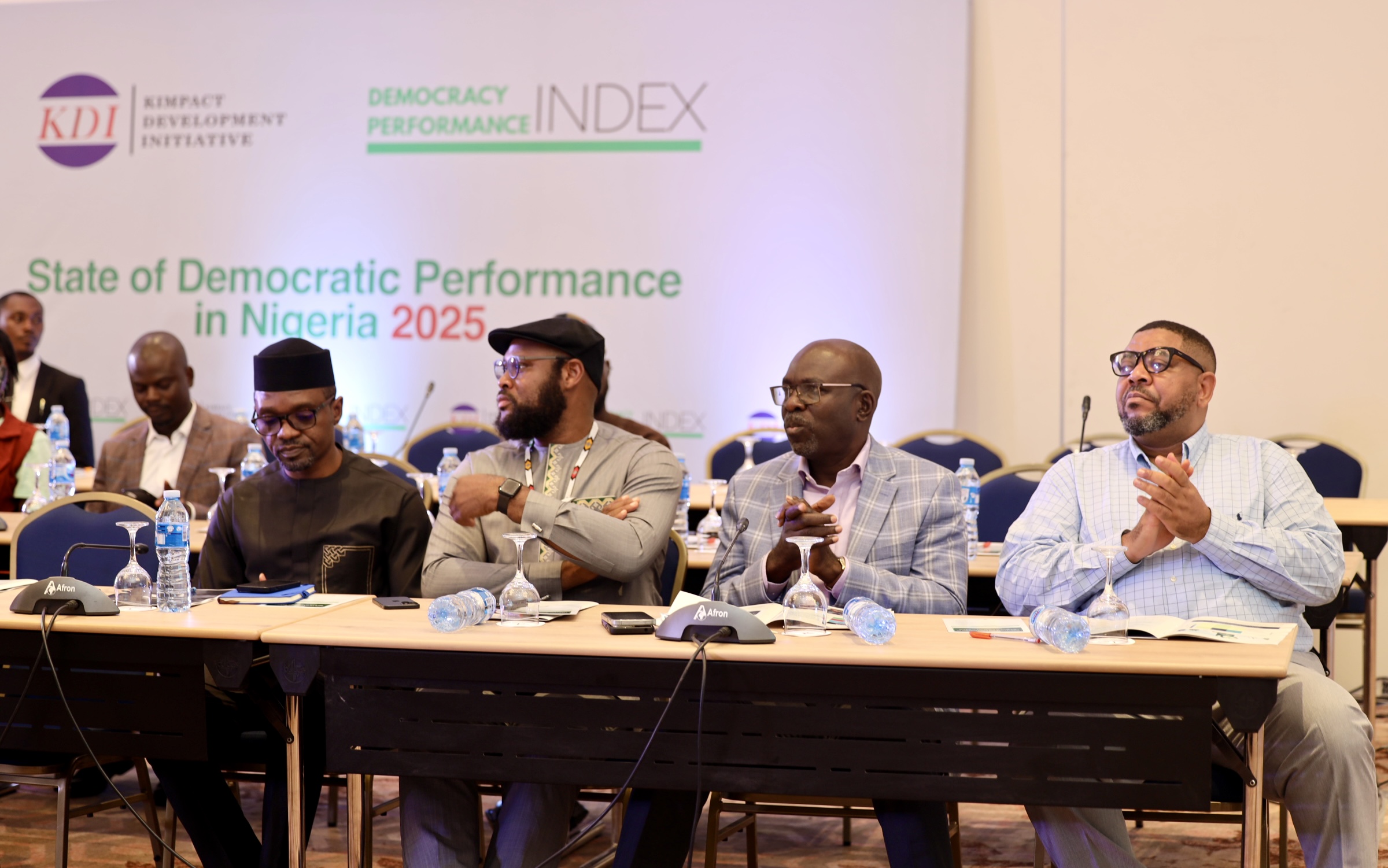
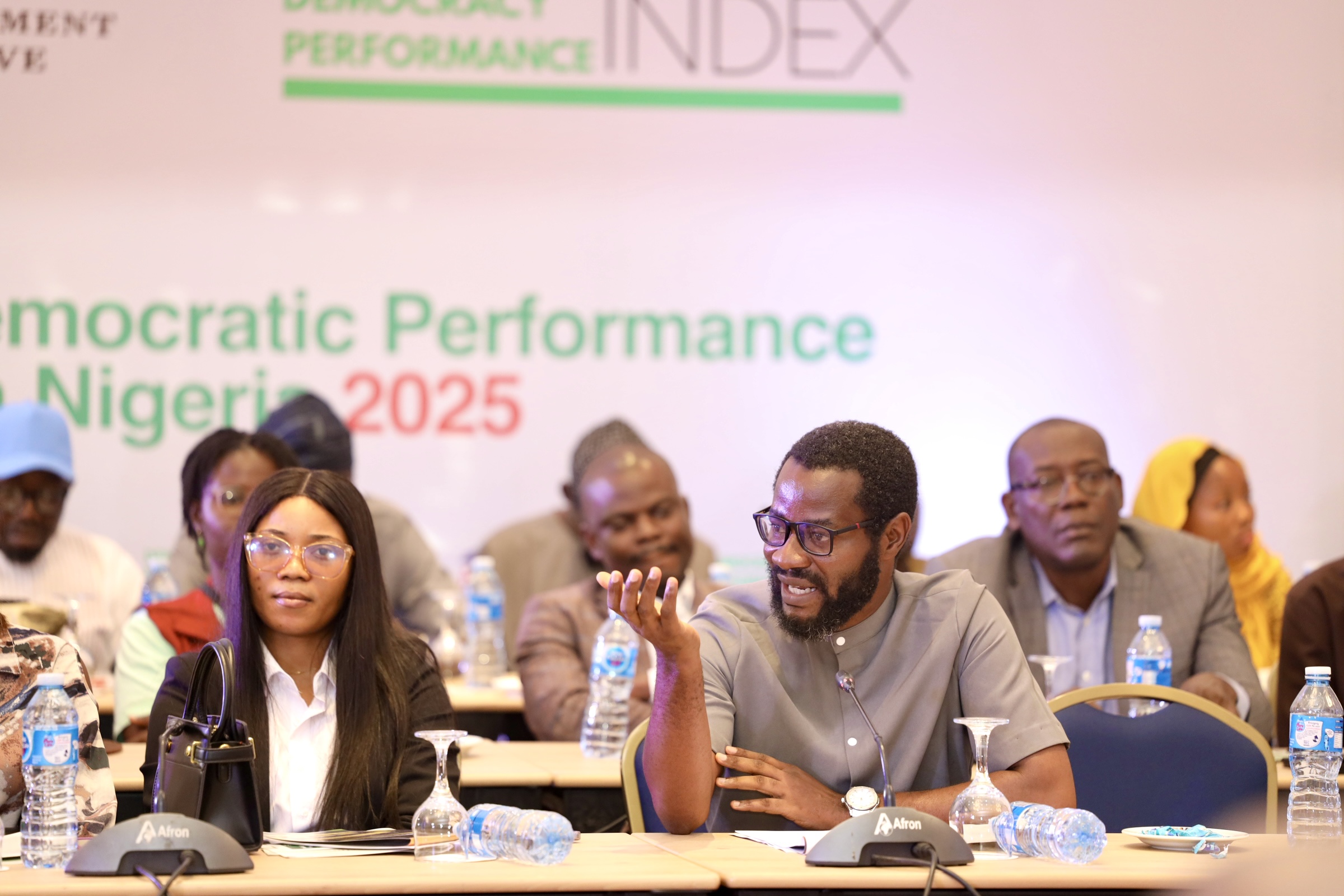
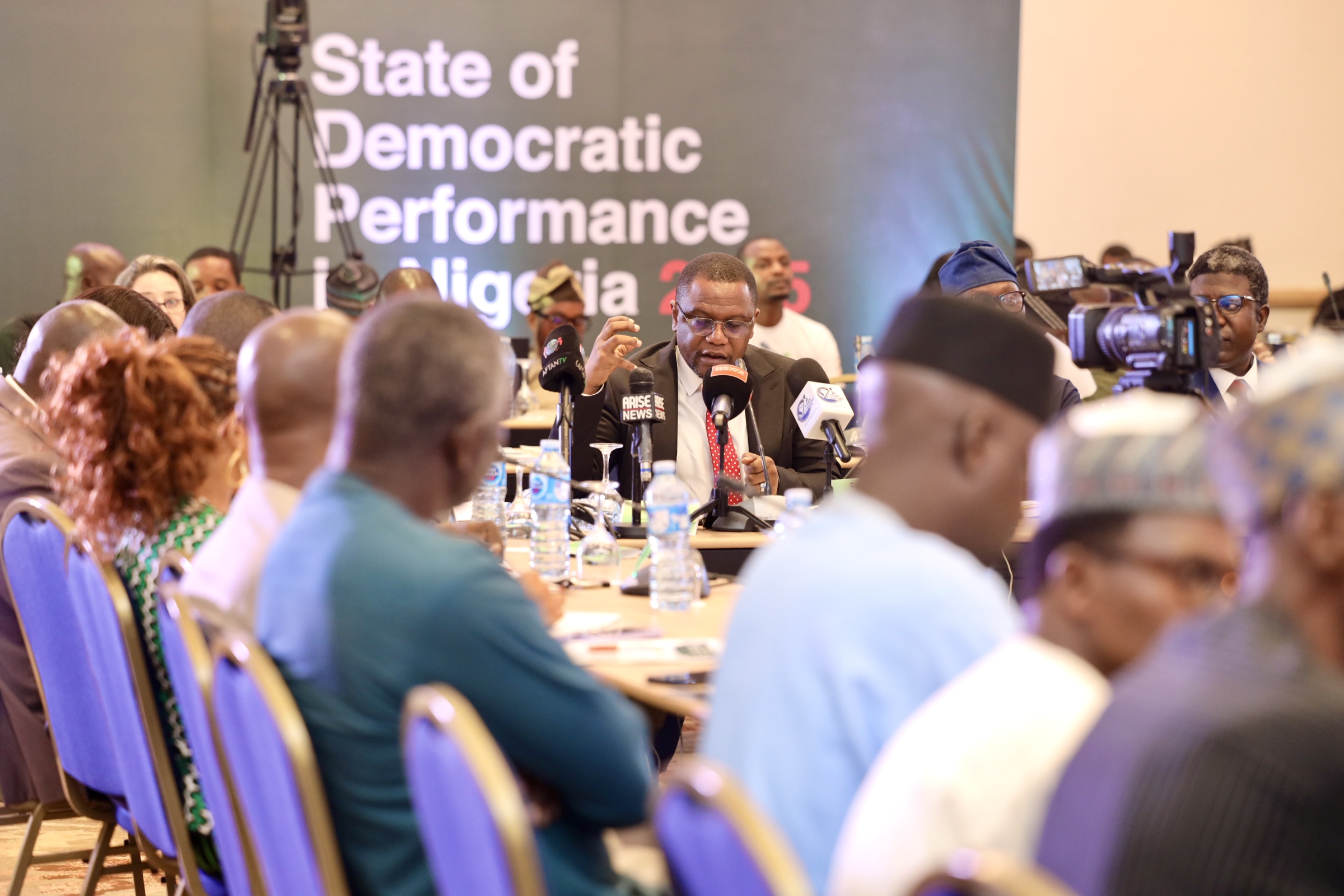
When we discuss the health of democracy in Nigeria, the focus often remains on federal politics. However, the true test of governance lies in how it is experienced by citizens at the state and local levels. To address this subnational gap, we hosted a policy dialogue on May 5, 2026, to launch the State of Democratic Performance in Nigeria (DIN) Report 2025. The report offers an empirical evaluation of democratic practice across all 36 states, measuring them across four areas: Electoral Participation, Political Inclusion, Institutional Effectiveness, and Civil Liberties. The findings reveal systemic gaps nationwide. With a national median score of 53.1%, no single state achieved a high performance rating, only six recorded moderate performance, and the vast majority ranked low. Political inclusion emerged as the weakest link, exposing a severe underrepresentation of women, youth, and persons with disabilities in state-level governance structures. Stakeholders, legal experts, and academics emphasized that regular elections do not automatically guarantee accountable governance. Rather than using these findings to criticize state actors, the dialogue framed the Democracy Performance Index as a diagnostic tool for localized policy reform. As the discussions concluded, the consensus was clear, preventing democratic decline requires continuous civic vigilance, institutional independence, and active public engagement at the state level.